Guide
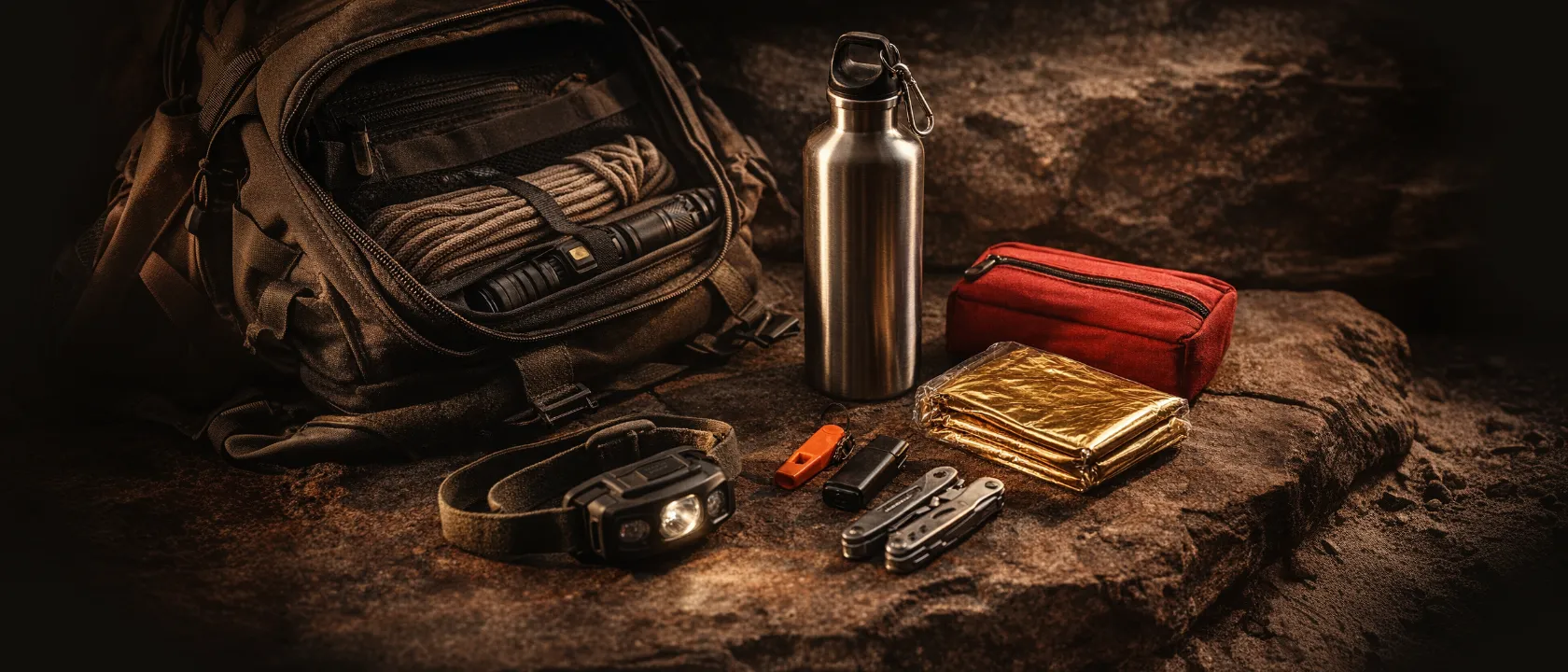
Packing an Emergency Bag: What Really Needs to Go In
72 hours without infrastructure – power, water, mobile networks gone. Those with a packed bag can act immediately. Those without improvise under pressure.
The power goes out, supply chains break down, the store is closed – now what? If you have practical skills, you don't have to wait for help. Here you'll find our step-by-step guides to the most important real-world skills.
Preparedness is more than canned food and flashlights. Knowing how to fish, purify water, or perform first aid doesn't just prepare you for emergencies – it makes you more self-reliant in everyday life. In our article on real risks in modern life, we explain why preparation makes sense – here, we show you how to actually do it.
Each skill article is built as a hands-on guide: with material lists, step-by-step instructions, and concrete recommendations. No dusty theory – just abilities you can actually put to use.
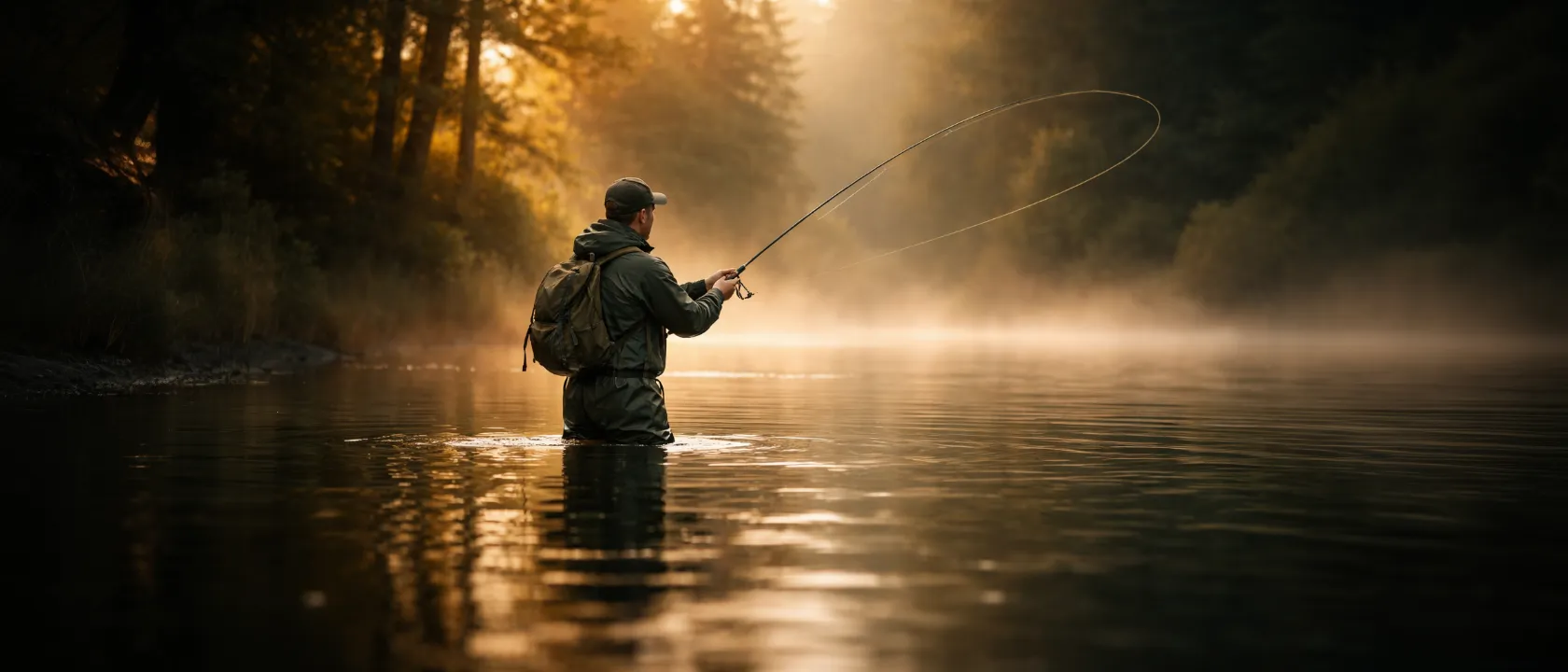
Supermarkets are convenient – but not crisis-proof. Fishing is one of the most accessible ways to source fresh protein independently. In Germany you need a fishing license, but the effort pays off.
Without drinking water, you last three days at most. Knowing how to make water from streams, lakes, or rain safe to drink is one of the most critical survival skills there is.
In an emergency, seconds count. Whether it's cardiac arrest, severe bleeding, or unconsciousness – knowing the basics can save lives. This skill isn't just relevant in crises, but also at work, during sports, or in everyday family life.
We're working on more guides – including foraging wild edibles, starting a kitchen garden, basic repair and building, backyard chicken keeping, and bartering as an economic skill. Check back regularly.
72 hours without infrastructure – power, water, mobile networks gone. Those with a packed bag can act immediately. Those without improvise under pressure.
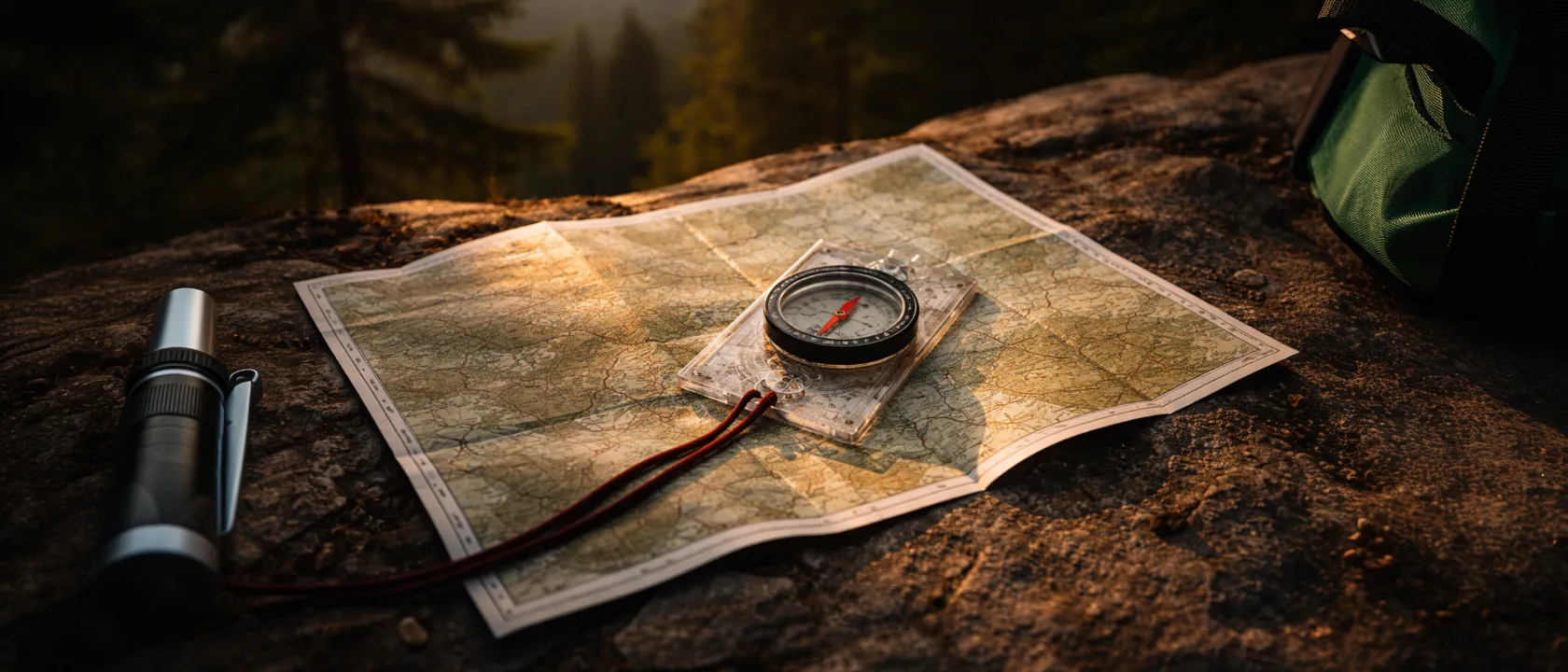
GPS is convenient – until the battery dies or the signal drops. Anyone who masters map and compass can navigate anywhere reliably: in forests, mountains, and emergencies.
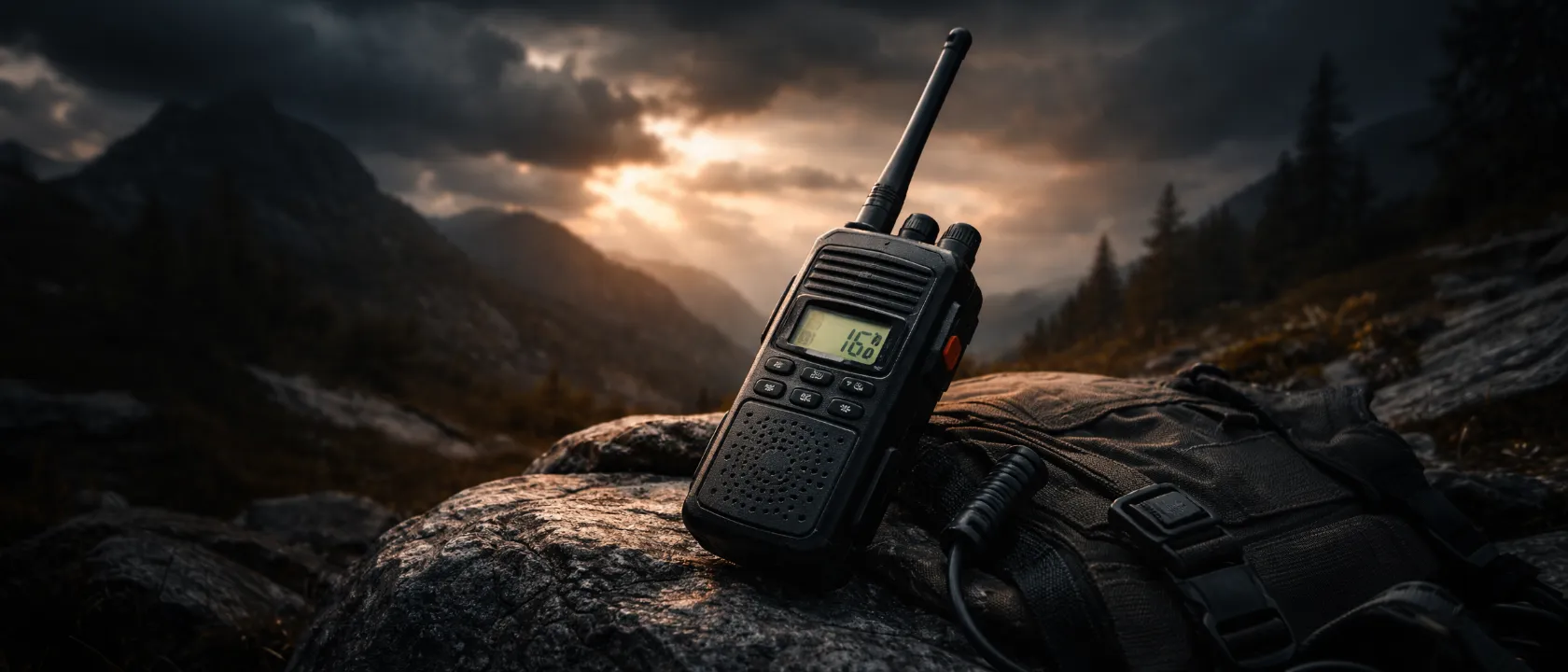
Smartphones are the first thing to fail. If you want to communicate in an emergency, you need a radio – and the right knowledge to use it.
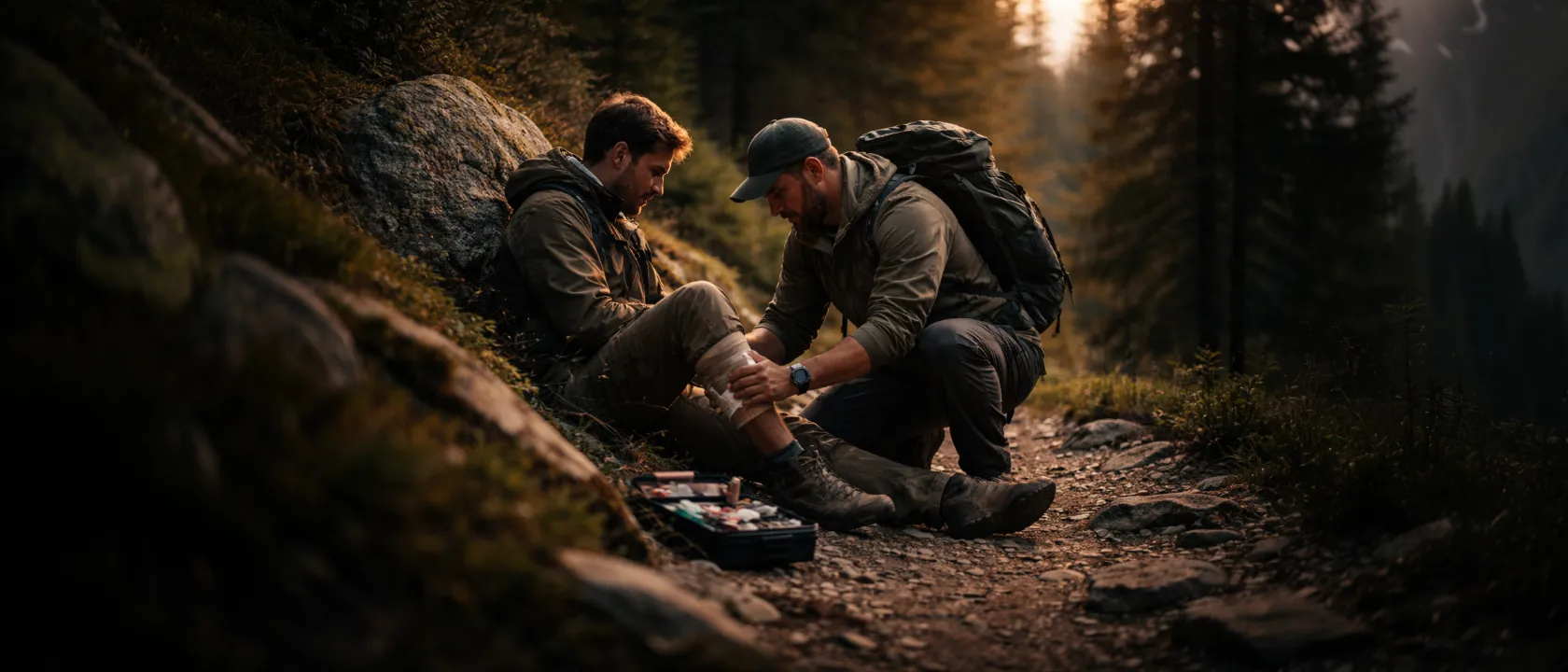
CPR, recovery position, calling 911/112, stopping bleeding – these 7 skills can save a life. With course tips, YouTube resources, and kit recommendations.
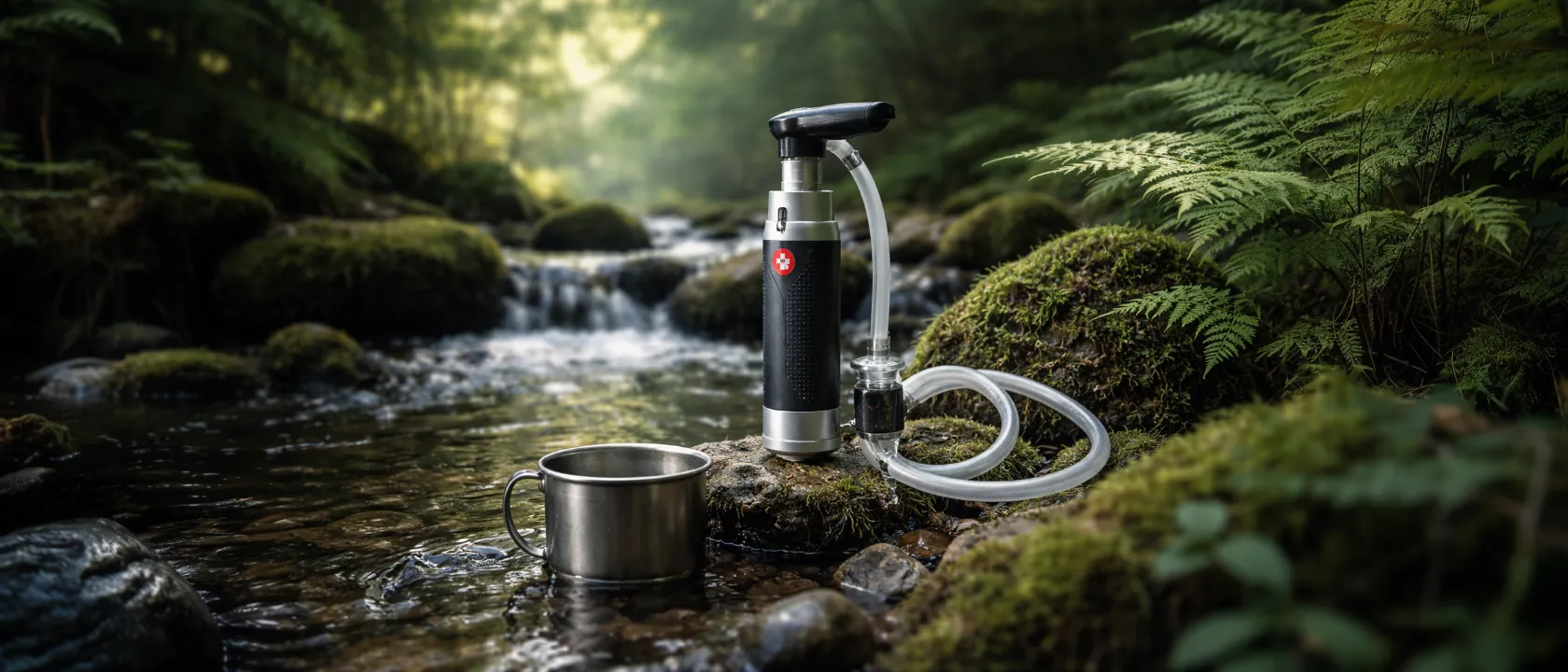
Whether hiking, traveling, or preparing for emergencies – knowing how to purify water makes you self-reliant. 4 methods with product recommendations and the key difference between filters and purifiers.