# The 72-Hour Principle
FEMA in the US and European civil protection agencies agree: the critical phase after a major incident lasts 72 hours. That’s how long it typically takes until state relief reaches most people – when emergency services are overwhelmed, supermarket shelves are cleared and petrol stations run dry.
In those first three days, you’re on your own. Those with a packed bag can act immediately: evacuate, drive to relatives, set up at a safe location. Those without one improvise under pressure – and make worse decisions.
The emergency bag isn’t a survival fetish. It’s pragmatic preparation for what can actually happen: flooding, power blackouts, industrial accidents, wildfires. In Europe, none of these scenarios are hypothetical.
# The Right Size
25–35 litres for a single person is the sweet spot. Large enough for three days, small enough to actually carry.
Above 40 litres it gets heavy fast – and a bag that’s too heavy is a safety risk, not an advantage. If packing for two people, two bags of 25–30 litres are better than one monster that only one person can carry.
What matters in a bag:
Robust material (500D–1000D nylon or Cordura) with reinforced seams. Padded back panel with hip belt – essential for anything over 8 kg. Water-resistant shell or integrated rain cover. Multiple outer pockets for quick access to torch, whistle and first aid.
For a comparison of specific bag models: → Emergency Backpacks Compared
# Water and Purification
Water is the most critical resource – and simultaneously the heaviest item. 2 litres per person per day as a minimum, 3 litres in physical activity or heat. For 72 hours, that’s 6–9 litres per person. Packed as bottles alone, that’s 6–9 kg just for water.
The smart solution: three-layer redundancy – supply, filter, tablets.
Always in the bag:
- 1–2 litres of immediately drinkable water in a robust bottle
- Compact water filter for resupply from natural sources
- Water purification tablets as backup (barely any weight, long shelf life)

Klean Kanteen Classic 800 ml
 Sawyer Squeeze SP129~40 €View →
 Katadyn Micropur Forte MF 1T~25 €View →
The Klean Kanteen stainless steel bottle holds boiling water and can be heated directly over a fire – as a last resort for disinfection. The Sawyer Squeeze reliably filters bacteria and protozoa from natural water sources – sufficient for most outdoor scenarios in Central Europe. Standard portable microfilters like the Sawyer Squeeze are not a reliable solution for viruses; chemical treatment (e.g. Micropur Forte) or boiling is required for that. Micropur Forte tablets therefore serve not only as a fallback when the filter is damaged, but also close this gap.
More on water purification: → Water Purification in the Wild
# Food
Calorically, an adult under stress and physical exertion needs 2,000–2,500 kcal per day. For 72 hours that’s 6,000–7,500 kcal. That sounds like a lot – but one litre of nuts delivers ~5,000 kcal at under 500 g of weight.
Criteria for emergency food:
- Long shelf life (at least 1 year, ideally 2–5)
- Little or no water needed to prepare
- Calorically dense (high energy per gram)
- No refrigeration required
Reliable mix for 3 days / person:
- 500 g mixed nuts (~3,000 kcal, keeps 6–12 months)
- 400 g dried fruit / dates (~1,000 kcal)
- 6–8 energy bars (~1,500 kcal, keeps 1–2 years)
- 2–3 packets of instant soup or stock (warmth, salt, calories)
- 1 tin of fish or meat (protein, no water needed)
- Small manual tin opener (frequently forgotten!)
Avoid heavy tins with lots of liquid (canned pasta, ravioli). The calorie-to-weight ratio is poor. Bars, nuts and dried fruit are more efficient.
# Light
In a power cut, darkness isn’t a theoretical problem – it’s a real hazard. Accidents, panic, loss of orientation. Light is the most urgent basic need after water.
Two-light rule: Always one headlamp (hands free) and one torch. Different battery types are an advantage – if one system runs out, you can draw on reserves for the other.
Why AA batteries? Because they’re available in every supermarket, every corner shop and every drawer. Rechargeable batteries that depend on proprietary chargers fail exactly when there’s no power.

Petzl Tikkina

The Petzl Tikkina runs on standard AAA, is compact, lightweight and affordable. The Acebeam Pokelit AA is the most compact AA EDC light on the market: IP68, 550 lumens, fits in any jacket pocket.
Also pack: wax candles + lighter as a third light tier for quiet nights at camp. No UV, no battery drain, barely any weight.
# Communication and Information
When mobile networks and internet go down, two channels remain reliably functional: PMR radio for direct group communication, FM/DAB radio for official situation updates.
# Receiving Emergency Broadcasts
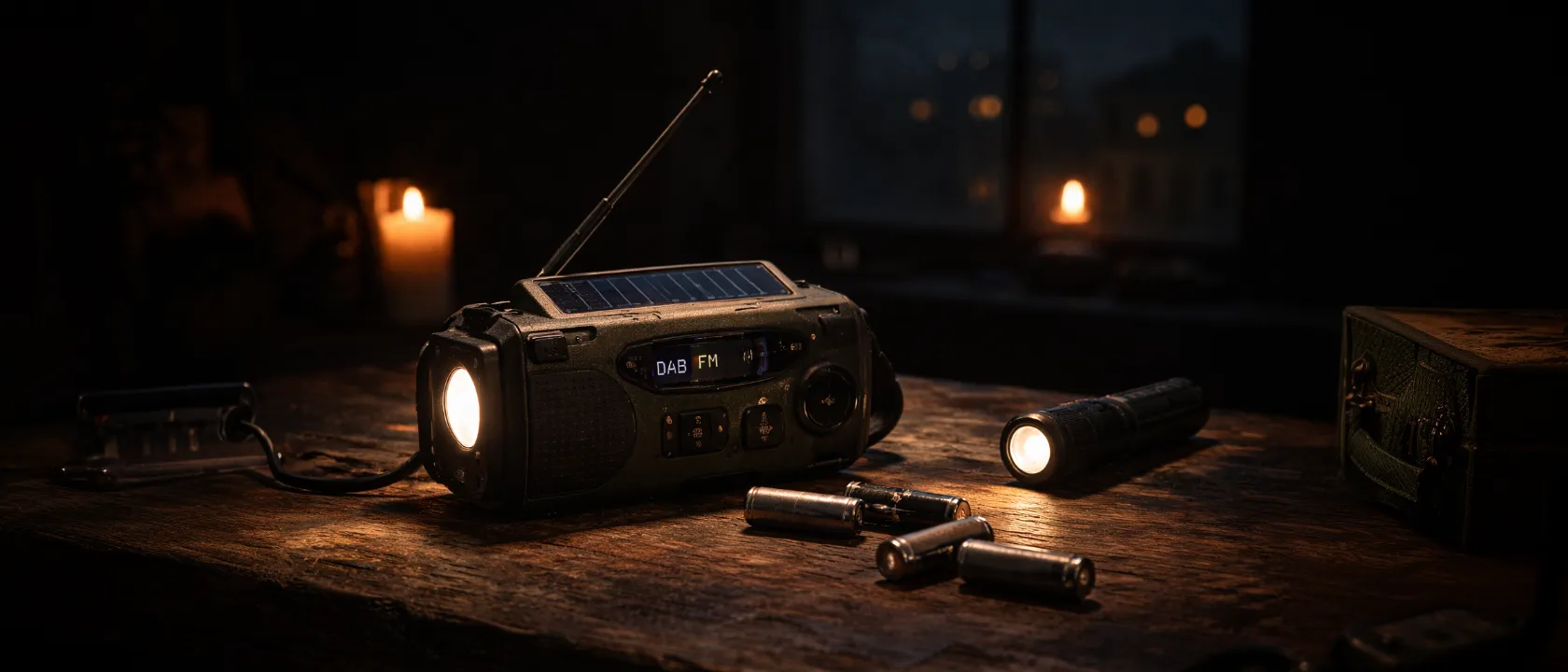
Public broadcasters (BBC, ARD and equivalents) transmit situation reports and instructions during major incidents – even when internet and mobile networks are down. This is literally the information channel that authorities have designed for emergencies. A device with DAB+, FM, hand crank and solar makes this channel independent of mains power. A detailed comparison of the best options: → Emergency Radio Comparison

Meaqool Kurbelradio DAB+/FM
The Meaqool crank radio has DAB+/FM, a 5,000 mAh battery, solar panel, hand crank, USB-C and IPX4 protection. With 4,409 reviews one of the most purchased emergency radios – and rightly so.
# Direct Communication
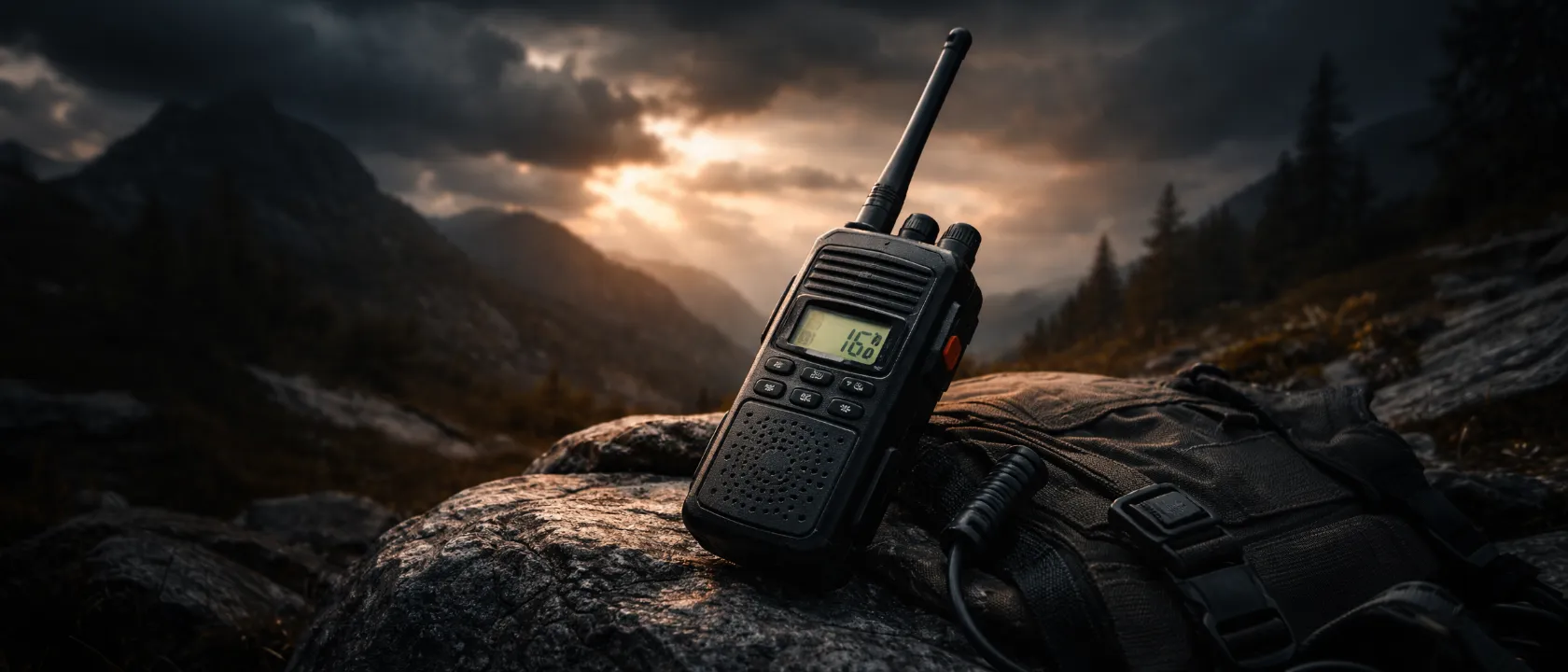
For communication within a group or with neighbours in the immediate area, a PMR446 device is the simplest solution – no licence required, immediately ready to use.
 Midland G9 Pro~80 € / StückView →
More on radio communication: → Radio Devices Compared
# First Aid
A first aid kit in an emergency bag needs to meet two requirements: compact enough not to waste space – and complete enough to treat real injuries.
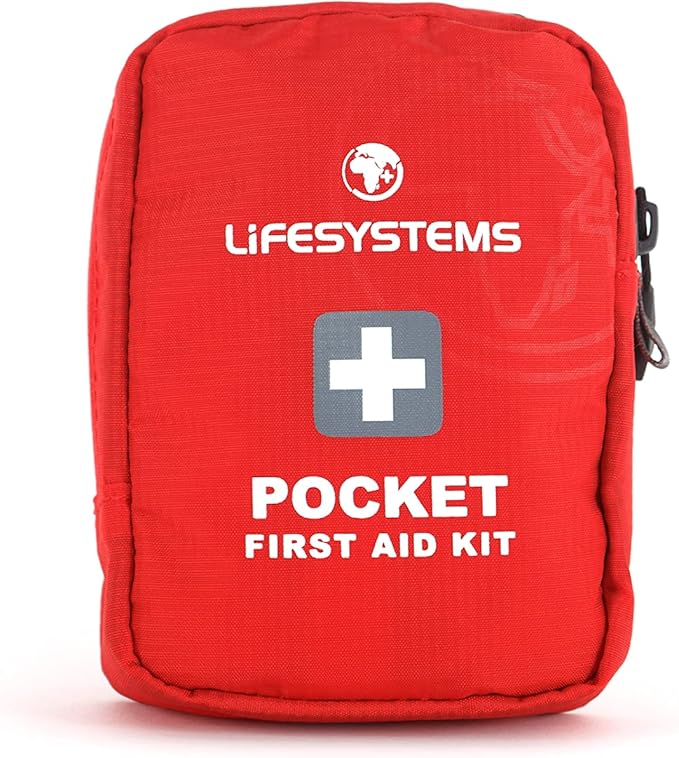
Lifesystems Pocket First Aid Kit
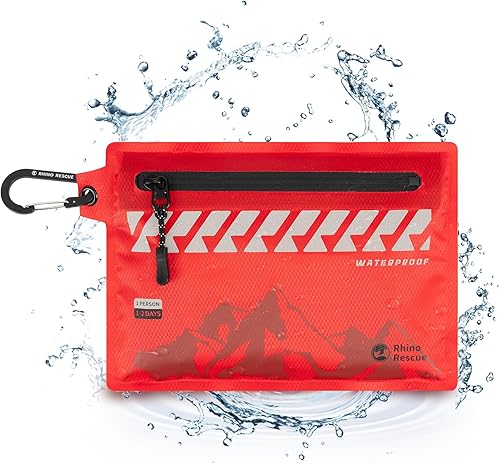 Rhino Rescue Erste-Hilfe-Set~25 €View →
The Lifesystems Pocket Kit (806 ratings, 4.6 stars) weighs only 180 g and fits in any outer pocket. The Rhino Rescue set is slightly more comprehensive and cheaper – good as base kit that you expand as needed.
Always add separately (not in standard kits):
- Personal medications (painkillers, blood pressure meds, antihistamines) for at least 7 days
- Glasses / contact lenses and solution
- Hand sanitiser
- Latex or nitrile gloves (at least 2 pairs)
- Emergency medication if applicable (EpiPen, asthma inhaler, etc.)
# Warmth and Shelter
Hypothermia kills faster than hunger. An emergency blanket reflects up to 90% of body heat and weighs less than 50 g. There’s no reason not to have one in the bag.
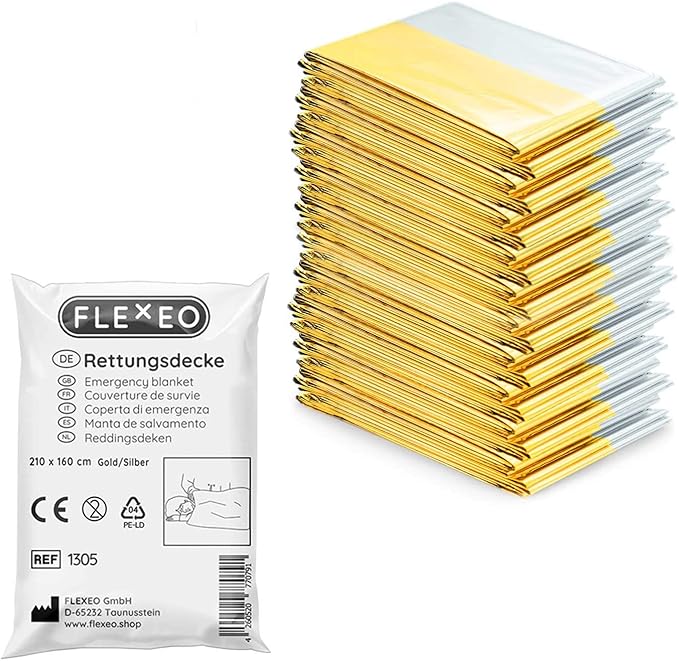
FLEXEO Rettungsdecken 10er-Pack
The 10-pack for ~€11 means: one in the bag, one in the car, one in the first aid kit, spares for family members. The FLEXEO blankets are 210×160 cm – large enough for adults – and individually wrapped.
Additionally depending on scenario:
- Rain poncho (20–30 g, more important than many realise: wet + wind = hypothermia in minutes)
- Lightweight sleeping bag or wool blanket (if you have space)
- Change of clothes + spare socks (wet feet become a serious problem after 6 hours)
# Tools and Fire
Multitool or pocket knife are indispensable – for opening packaging, cutting cord, repairing equipment, preparing food. A good multitool combines knife, pliers, screwdriver and saw in one.

 Victorinox Pioneer Alox~24 €View →
For lighter and cheaper: the Victorinox Pioneer Alox (~€27) is classic Swiss craftsmanship – not a toy but an actual working knife. If you need more functions, the Leatherman Wave+ is the step up.
Fire: BIC lighter as primary source. Firesteel as backup (works wet, frozen, after years in the bag). Both add barely any weight.

Other important tools:
- Duct tape (10 layers wound around a pencil saves space, sticks everything)
- Cable ties (5–10 pieces, endlessly versatile)
- Paracord (5–10 m: pitch a tarp, hang laundry, safety line)
- Small manual tin opener
# Navigation
In an emergency – evacuation, alternative route, meeting point – GPS failure can make a decisive difference. A topographic map of your region plus a compass is the minimum.
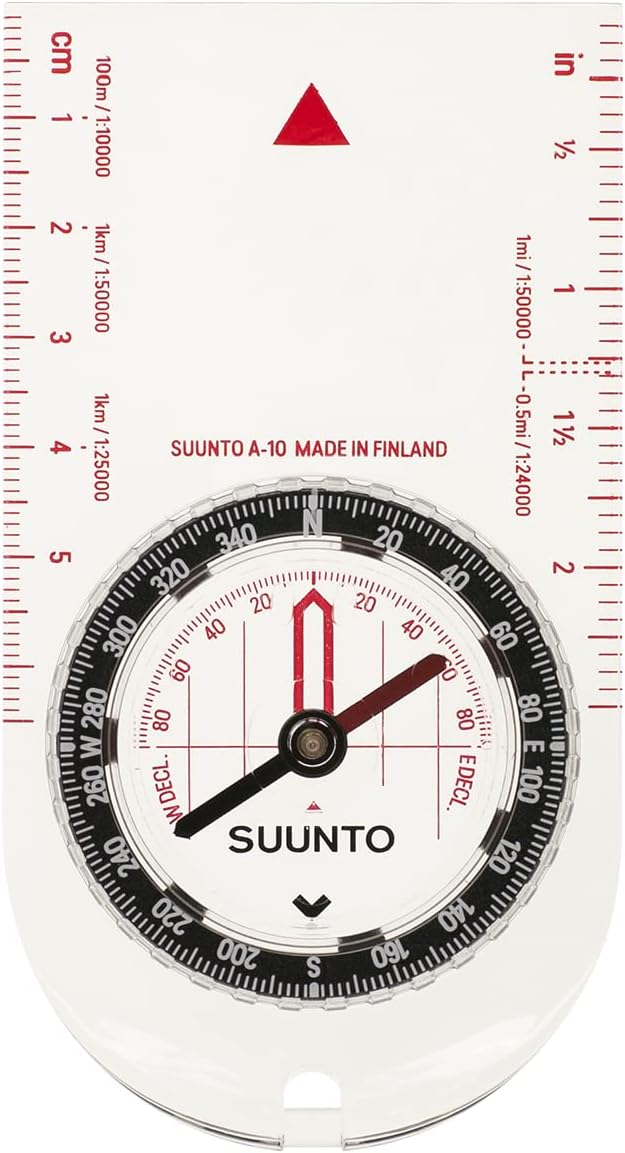 Suunto A-10 Kompass~21 €View →
Mark your family’s main meeting point on the map (with coordinates) and put a laminated card with the plan in the bag.
More on map and compass: → Navigation Without GPS
# Documents and Cash
The most underestimated chapter. In an emergency – evacuation, hospital admission, border crossing – you need documents. And when card terminals don’t work, you need cash.
What goes in (copies, not originals):
- ID / passport (photocopy + digital copy on USB stick)
- Health insurance card (photocopy)
- Important insurance policies
- Medication plan if applicable
- List of important phone numbers (printed – no power means no contact list)
- Emergency contacts and family meeting point
Cash: At least €100–200 in small notes. During a blackout, no card terminals work, no ATM, no online transfer. Cash is the only means of payment.
Keep everything in a waterproof sleeve – a simple zip-lock bag or a dedicated document pouch.
# Hygiene
Hygiene in emergencies isn’t a luxury – it’s infection prevention. Dirty hands transmit diarrhoea pathogens that can quickly become life-threatening in a disaster situation.
The minimum:
- Hand sanitiser (60 ml bottle lasts 3 days)
- Wet wipes (clean without water)
- Toothbrush + mini toothpaste
- Toilet paper (compressed in zip-lock)
- Feminine hygiene if relevant
- Small towel (microfibre, dries quickly)
# Signalling
A whistle is lighter than a torch, louder than the human voice, and works under rubble when shouting is no longer possible. It costs nothing, weighs nothing – and it should be attached to every jacket, every bag and every life jacket.

Fox 40 Classic Signalpfeife
The Fox 40 Classic has no pea (ball) inside, so it doesn’t freeze at sub-zero temperatures and doesn’t clog with dirt. At 115 dB it’s louder than most other whistles. Standard in emergency services, fire departments and sea rescue – not by chance.
Additionally: Small signal mirror (5 g, visible up to 50 km in sunlight), red blinker for night signalling.
# Personal Extras
Every person and family has different needs. What additionally deserves space:
With children: Familiar snacks they enjoy (reduce stress). Small toy or book. Nappies and wet wipes in adequate quantity.
With pets: Food for 3 days, water bowl, lead, vaccination record copy, medications.
With elderly or people requiring care: All medications for 7+ days (not 3 – pharmacies may be closed). Aids (hearing aid batteries, spare glasses).
For everyone: Power bank with enough capacity to keep a smartphone charged for 1–2 days. Not for social media – for emergency notification apps.
 Anker Zolo Power Bank 10.000 mAh~18 €View →
# Maintenance and Rotation
A bag packed once and sitting in a cupboard for years is an illusion of security. Batteries discharge, food expires, medications lose potency.
Check everything once a year:
Review all food for expiry dates. Replace or recharge batteries. Check the water filter for wear (Sawyer filters every 2 years or after filtering 400,000 litres). Check clothing for fit and season. Renew medications. Verify cash amount.
Set a date: Many people do this on 1 January or at the daylight saving time change – pick any fixed day in the calendar and stick to it.
How heavy should an emergency bag be at most?
No more than 15–20% of your body weight as a rule of thumb. For a 70 kg person, that’s 10–14 kg maximum. A fully equipped 72-hour bag for one person realistically weighs 8–12 kg.
How much water do I need to pack?
2 litres per person per day minimum – 6 litres for 72 hours. Use a combined approach: 2–3 litres immediately available plus a water filter and purification tablets for resupply.
Do I need to regularly rotate food in the bag?
Yes. Energy bars and dried fruit last 1–2 years, nuts 6–12 months. Check everything with an expiry date once a year and replace what’s expired.
Do I need a special emergency backpack or will any bag do?
Any solid backpack in the right size works. Robust material, reinforced seams, good straps. A hiking pack from a reputable brand often beats a cheap tactical one in real-world carrying comfort.
Should I pack one bag for the family or one per person?
Best: one main bag with the bulk of the gear, plus smaller personal bags for each member with water, torch, whistle and personal medications. That way everyone is covered even if separated.
What goes in the outer pocket for immediate access?
Headlamp or torch, signal whistle, first aid kit, water bottle, phone and power bank. Never bury critical items deep in the main compartment.
How long does a 72-hour bag actually last?
Exactly 3 days – the minimum recommended by FEMA and European civil protection agencies. Experienced preppers pack for 7–14 days. A 72-hour bag is the first step, not the end point.
# Conclusion
An emergency bag isn’t finished when you’ve thrown all the items in once. It’s finished when every pocket has its place, every expiry date is known, and every family member knows where the bag is and what’s in it.
That sounds like effort. It’s an afternoon of work – once – and then an hour a year to check. For three days of independence from infrastructure we treat as a given every day.
Pack the bag. Then it stands ready – and you can stop worrying about it.
The bag covers evacuation. For staying put during a power outage or water failure, the Home Emergency Plan is the companion piece – communication plan, 72-hour supplies, and document security in one afternoon.