The question usually comes after a nearby blackout, a storm that blocked roads for three days, or one too many evenings watching the news. And then you’re standing there thinking: I really should…
The good news: you don’t need a bunker property, a five-figure budget, or military training. Preparedness starts small. And small is what matters most.
# The most common mistake: doing too much at once
Once you start researching, you’ll quickly find 100-item checklists, survival YouTube channels, and forums with endless gear debates. That paralyses more people than it helps.
The simplest rule: Secure against what’s likely first. Then build from there.
What’s likely in everyday life? Power outages lasting 1–3 days. Water supply failures or contamination. Extreme weather. An injury or illness without immediate access to medical care. Good baseline preparedness is built on these four scenarios.
# Step 1: 72-Hour Supply at Home
The most important preparation doesn’t happen in a backpack – it happens in your cupboard. Before buying anything: what would happen if water, power, and mobile networks went down tonight for three days?
Water is the most urgent. At least 2 litres per person per day, ideally 3. That’s 6–9 litres for one person over 72 hours, or 24–36 litres for a family of four. Standard 1.5-litre bottles work fine. For more control: food-grade screw-top containers filled from the tap are good for months in practice. Full details in How to Build a Water Supply.
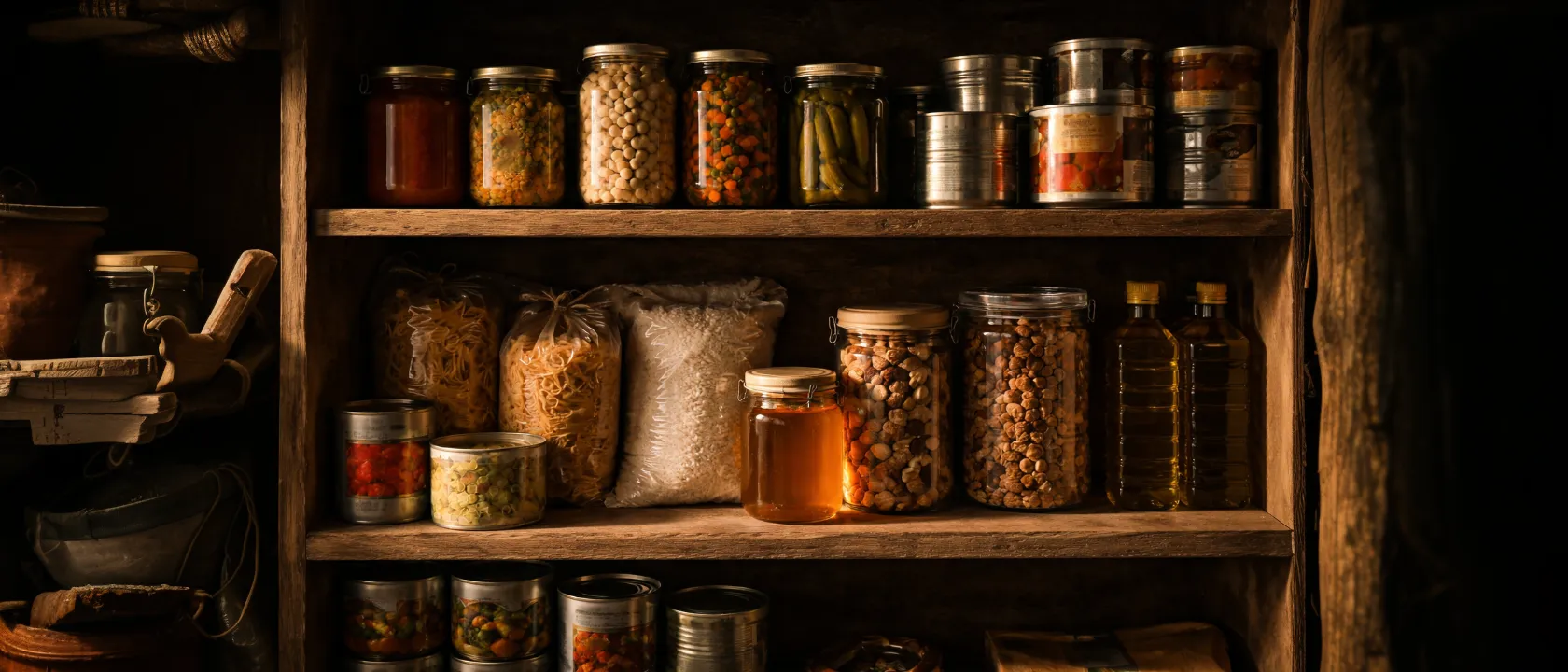
Food doesn’t mean a doomsday larder. Pasta, rice, legumes, tinned food, crispbread, nuts. Things that keep, things you actually eat, things that don’t need refrigeration. Three days of calories per person in the household. Quantities and shopping lists: → Building a Food Supply
Light is underestimated. A power outage at night is a completely different situation than one during the day. A good torch isn’t a luxury – it costs from about €30 and lasts decades. Which models are worth it: → Flashlights for Preparedness & Emergencies

Wuben C3
Add a headlamp – because both hands need to be free when you’re fixing something in the dark or calming a child.

Petzl Tikkina
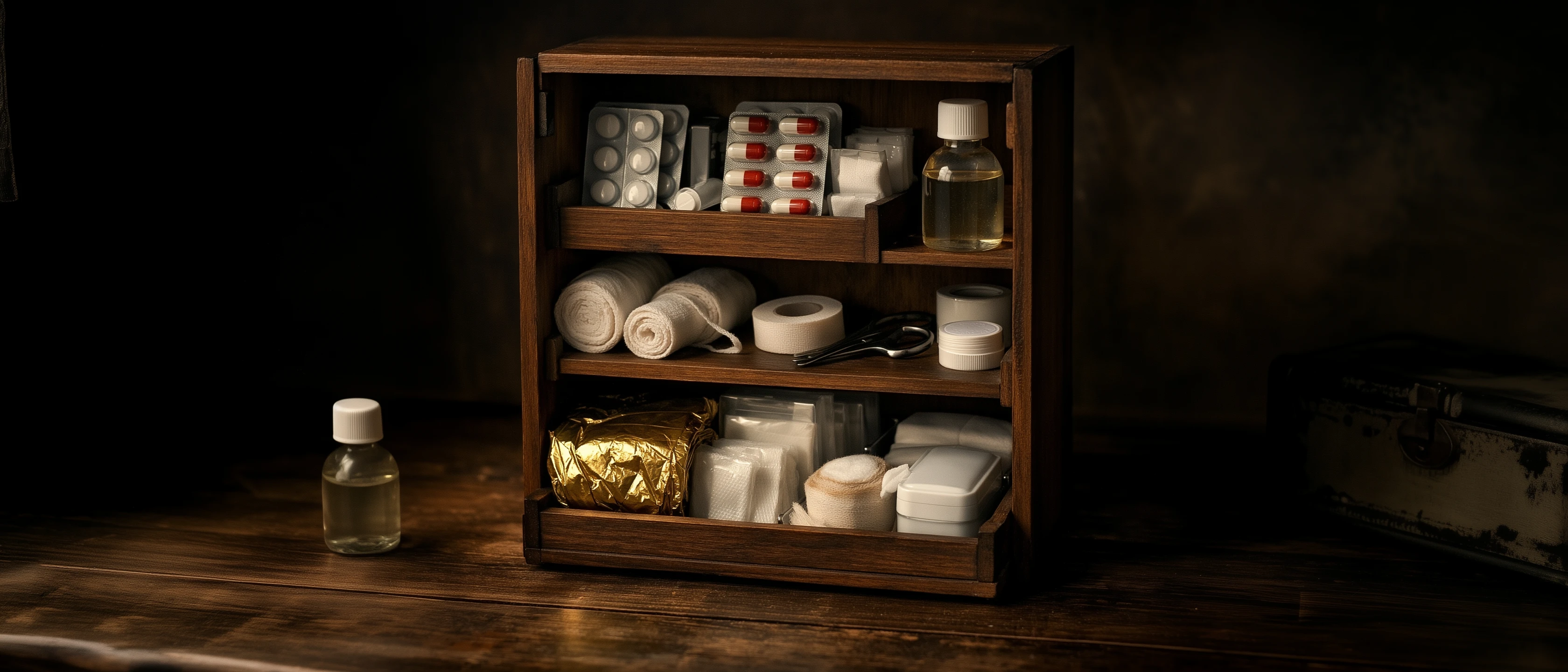
First aid – a proper kit, not the plastic box from the supermarket. Wound care, bandages, emergency blanket, painkillers, activated charcoal.
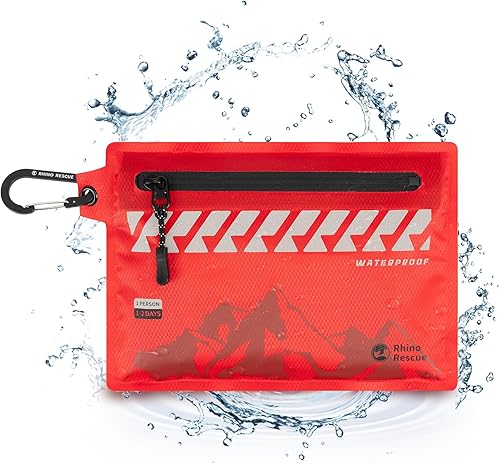
Rhino Rescue Erste-Hilfe-Set
Communication: phone numbers written down (not just saved in your phone), a battery or hand-crank radio for emergency broadcasts, a meeting point agreed with your family in case the network goes down.
# Step 2: Make a Home Emergency Plan
Gear alone doesn’t help much if nobody knows what to do in an emergency. Who picks up the kids? Where do you meet if you can’t reach each other? What to do in case of fire, flooding, evacuation?
An emergency plan is a short document – one page is enough. Printed out, in a drawer.
What it should include: → Home Emergency Plan
# Step 3: Pack an Emergency Bag
If the emergency plan answers “what do we do if we stay here?” – then the emergency bag answers: “what do we take if we have to leave?”
Evacuation sounds like disaster movie territory, but it happens: apartment fire, flooding, gas leak in the building. A ready-to-grab bag with the essentials turns panic into a procedure.
What goes in, how to pack it, and why 25–35 litres is the right volume: → Emergency Bag Packing: What Really Goes In
If you don’t have a suitable bag yet – the most important criteria aren’t the brand, but access points and carrying comfort. The best budget model in our comparison:

Mardingtop 35L Tactical Rucksack (Cordura)
✓ Best ValueAll options: → Emergency Backpacks Compared
# Step 4: EDC – What You Carry Every Day
Everyday carry sounds like a hobbyist term, but it’s really just this question: what do you have on you when something happens while you’re not at home?
Keys, phone, wallet – everyone has those. But a knife, a small torch, a bandage in your jacket pocket? That’s the difference between being helpless and being capable.
What EDC really means and what makes a sensible baseline: → EDC – Everyday Carry: What You Should Actually Have on You
# Step 5: Learn Skills – You Can Buy Gear, Not Knowledge
Good gear is useful. Knowing how to use it is better. Knowing how to manage without it – that’s real security.
The most useful foundational skills, by priority:
First aid – one course, once, through a local Red Cross or St. John’s Ambulance. Afterwards you’ll know how to apply a pressure bandage, put someone in the recovery position, and when to use a defibrillator. → First Aid Basics
Purifying water – in an emergency, not every water source is safe to drink. Filters, tablets, boiling: what works when. → Purifying Water in the Wild
Navigation without a phone – knowing how to read a map and use a compass means you’re never lost when the battery dies. → Navigation Without GPS
# How much does a solid baseline setup cost?
Less than you’d think. The key purchases summarised:
| Area | Investment | One-time? |
|---|---|---|
| Water supply (10 × 5L containers) | ~€25 | Yes |
| Food supply (72h, 1 person) | ~€40–60 | One-time, rotate |
| Torch (Wuben C3) | ~€35 | Yes |
| Headlamp (Petzl Tikkina) | ~€20 | Yes |
| First aid kit | ~€25 | Restock when used |
| Emergency bag (Mardingtop 35L) | ~€75 | Yes |
Total: ~€220 for one person – and that’s not a bare minimum, that’s already a solid setup that covers most realistic scenarios.
# The key insight
Preparedness isn’t a state. There’s no “done”. It’s an ongoing process – but the first step takes one afternoon and solves the problem that affects most people: not being prepared at all.
Start with the water supply. Today.
How long should my supplies last?
The German Federal Office for Civil Protection (BBK) recommends 10 days. Realistically, start with 72 hours – that covers the most common scenarios (storms, power failures, water outages). Then build up gradually. More important than the exact duration: actually getting started.
Do I have to buy everything new?
No. A water supply is just standard water bottles or filled food-grade containers. A food supply is pasta, rice, and tinned food – things you already buy, just a bit more of them. The first real purchases that are worth it are a torch and first aid kit, where quality makes a real difference.
Am I being overly anxious doing all this?
No. The AA keeps a breakdown kit in the car. The Red Cross recommends emergency supplies. The government recommends emergency supplies. Preparedness is adult responsibility – nothing more, nothing less.
What's the difference between an emergency bag and an emergency supply?
Emergency supplies are for the scenario “we’re staying, but water/power/food supply fails”. The emergency bag is for the scenario “we need to leave the house”. Both complement each other and have different contents.
Where should I start if I only have €50 to spend?
Water first (~€25 for 10 × 5L containers), then a good first aid kit (~€25). These two basics have the highest impact. Torch, food supply, and bag come after – step by step.